How to Get Top Letters of Recommendation for University: A Guide for IB Students
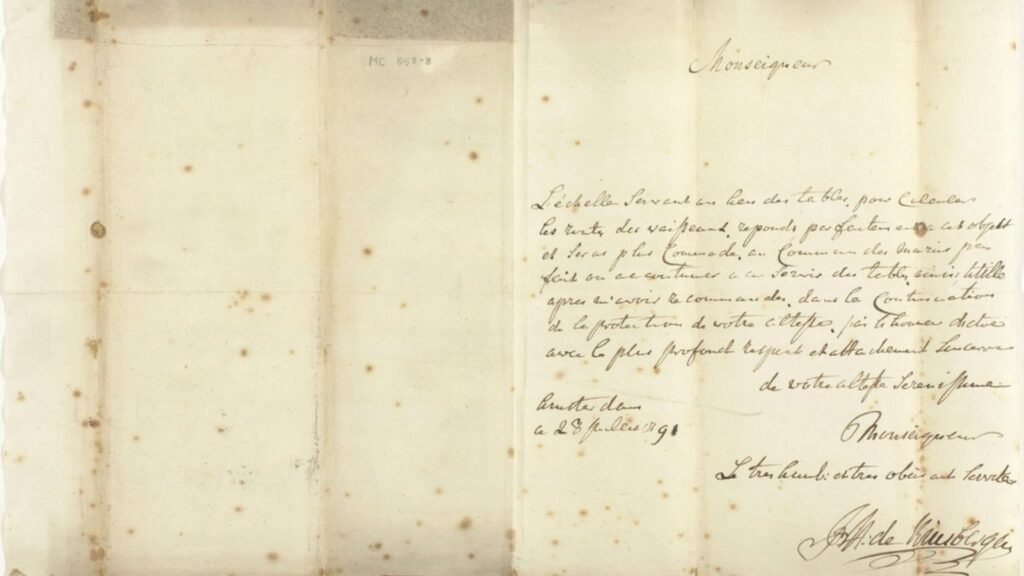
A strong letter of recommendation can make the difference between similar applications. Admissions officers read them for evidence you cannot give yourself: how you think in class, how you handle challenge and how you treat others. IB students have an advantage here, because the Diploma gives teachers rich material to write about, from the Extended Essay to CAS. These tips will help you get letters that are specific, credible and memorable.
Why recommendations matter
US universities usually ask for one counsellor letter and one or two teacher letters. UK applications through UCAS include a single school reference. Many universities in Canada, Europe and Asia ask for references too. In each case, the letter adds a trusted outside view of your academic ability and character.

1. Choose the right recommenders
- Pick teachers who know you well, ideally from Year 1 or 2 of the DP, in subjects related to your intended degree.
- A teacher in whose class you grew and engaged is often better than one who simply gave you a 7.
- Your EE supervisor can be an excellent choice, because they have watched you research independently.
- Check the requirements of each university: some specify subjects or the number of letters.
2. Ask early and ask properly
Ask at least four to six weeks before your first deadline, and earlier for early applications. Ask in person if you can, then follow up by email with deadlines and submission instructions. Teachers write many letters in the same season, so time helps them write a better one.
3. Give them a brag sheet
Make the writer’s job easy with a one- or two-page summary:
- the courses and universities you are applying to, and why;
- a few specific moments from their class you are proud of;
- your Extended Essay topic and what you learned;
- CAS projects, leadership roles and achievements;
- any challenges you overcame that they might mention.
4. Show the qualities you want described
The best letters describe behaviour the teacher has actually seen. Ask thoughtful questions, contribute to discussions, help classmates and take feedback well throughout the year, not only in the weeks before you ask.

5. Follow up and say thank you
Send a polite reminder a week before the deadline if the letter hasn’t been submitted. Afterwards, thank your recommenders with a note, and let them know your results. Teachers appreciate hearing how things turned out.
Common mistakes
- Asking at the last minute.
- Choosing a recommender only because of a famous title.
- Giving no information about your plans and achievements.
- Asking to see or edit the letter; most systems expect you to waive that right.
How IB experiences strengthen your letters
The IB gives recommenders concrete evidence: the depth of your EE research, your TOK discussions, your IA investigations and CAS projects. Mention these in your brag sheet so they appear in the letter. Strong academic performance helps too; if a subject is pulling your grades down, targeted support from a tutor in Year 1 can change what your teachers are able to write.
Frequently asked questions
How many recommendation letters do I need?
It depends on the system: US universities usually ask for one counsellor letter and one or two teacher letters, while UCAS uses one school reference.
When should I ask for a recommendation?
At least four to six weeks before your first deadline, and earlier for early applications.
Should my EE supervisor write a letter?
They can be a great choice, because they have seen your independent research up close.
Turn this into a 7 in your IB subjects
- 200+ IB tutors & examiners
- Lessons in your time zone
- Free consultation first